
Choosing the Right Display Visibility Framework for Your Environment
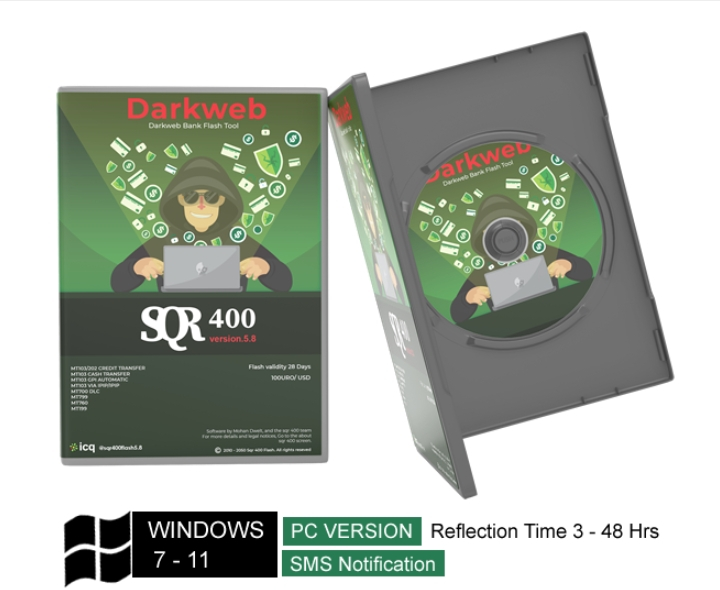
The SQR400 System exists in two primary build lines: v5.8 and v7.8.4.
Both manage UI-layer balance visibility windows, but each is tuned for different refresh conditions, operational environments, and observation durations.
Understanding the distinction in synchronization behavior is key to selecting the correct build for your setting.
Visibility Window Fundamentals
The visibility window is the duration during which the display-layer balance remains present and stable across interfaces such as:
- Mobile Banking UI
- Web Banking Dashboards
- ATM Inquiry Screens
- POS / Merchant Terminals
The longer the visibility persists, the more interaction, data collection, and UI-consistency monitoring can be performed.
Version Comparison Table
| Attribute | SQR400 v5.8 | SQR400 v7.8.4 |
|---|---|---|
| Visibility Duration | ~28–30 Days | ~30–90 Days |
| Refresh Stability | Standard UI Sync | Enhanced Sync Layer Resistance |
| Recommended Usage | Baseline Interface Observation | Long-Window Multi-Interface Studies |
| Environmental Footprint | Light | Medium |
| Node Interaction Depth | Standard Display Layer | Extended Display + Mirror Layer |
SQR400 v5.8 — Standard Window Build
The v5.8 framework is tuned for environments where:
- UI synchronization cycles are moderate
- Session resets occur at predictable intervals
- Display verification is done at user-interface level
Best Used For:
- Baseline benchmarking
- UI-layer visibility testing
- Cross-interface display consistency checks
This build is known for:
- Clean refresh signatures
- Stable 28–30 day display persistence
- Minimal trace characteristics
SQR400 v7.8.4 — Extended Window Build
The v7.8.4 framework is designed for extended-duration research, especially in regions or banking systems with:
- More frequent UI refresh sweeps
- Higher-tier display reconciliation layers
- Multiple merchant or ATM verification points
Best Used For:
- Long-window observation
- Multi-terminal synchronization studies
- Advanced ledger display modeling
Advantages:
- Greater resistance to display-correction cycles
- Stability across more aggressive UI sync environments
- Ideal for stacked or repeated interface interactions
Which Build Fits Your Operational Environment?
| Situation | Recommended Build | Reason |
|---|---|---|
| Short-term testing & observation | v5.8 | Controlled and predictable visibility window |
| Extended visibility study cycles | v7.8.4 | Longer presence under refresh pressure |
| Low-profile test environments | v5.8 | Smaller signature / footprint |
| Multi-device / multi-location synchronization | v7.8.4 | Enhanced UI retention behavior |
Important Operational Note
The SQR400 framework does not interact with:
- Core ledger balance
- Payment network settlement layers
- Clearinghouse or reserve systems
The system operates entirely within UI display synchronization layers for research and testing purposes only.
Use depends on:
- Region
- Compliance framework
- Authorization level
Inquiry and Access
Documentation, version access details, and interface guidance are available through verified inquiry channels.
Contact Support Desk
Response Window: 5–60 Minutes
Regional verification may apply.Email: support@sqr400flashfund.com
Telegram: https://t.me/Sqr400_FlashFund
Whatsapp: https://wa.link/rllagr
Reference
I need 10 billion